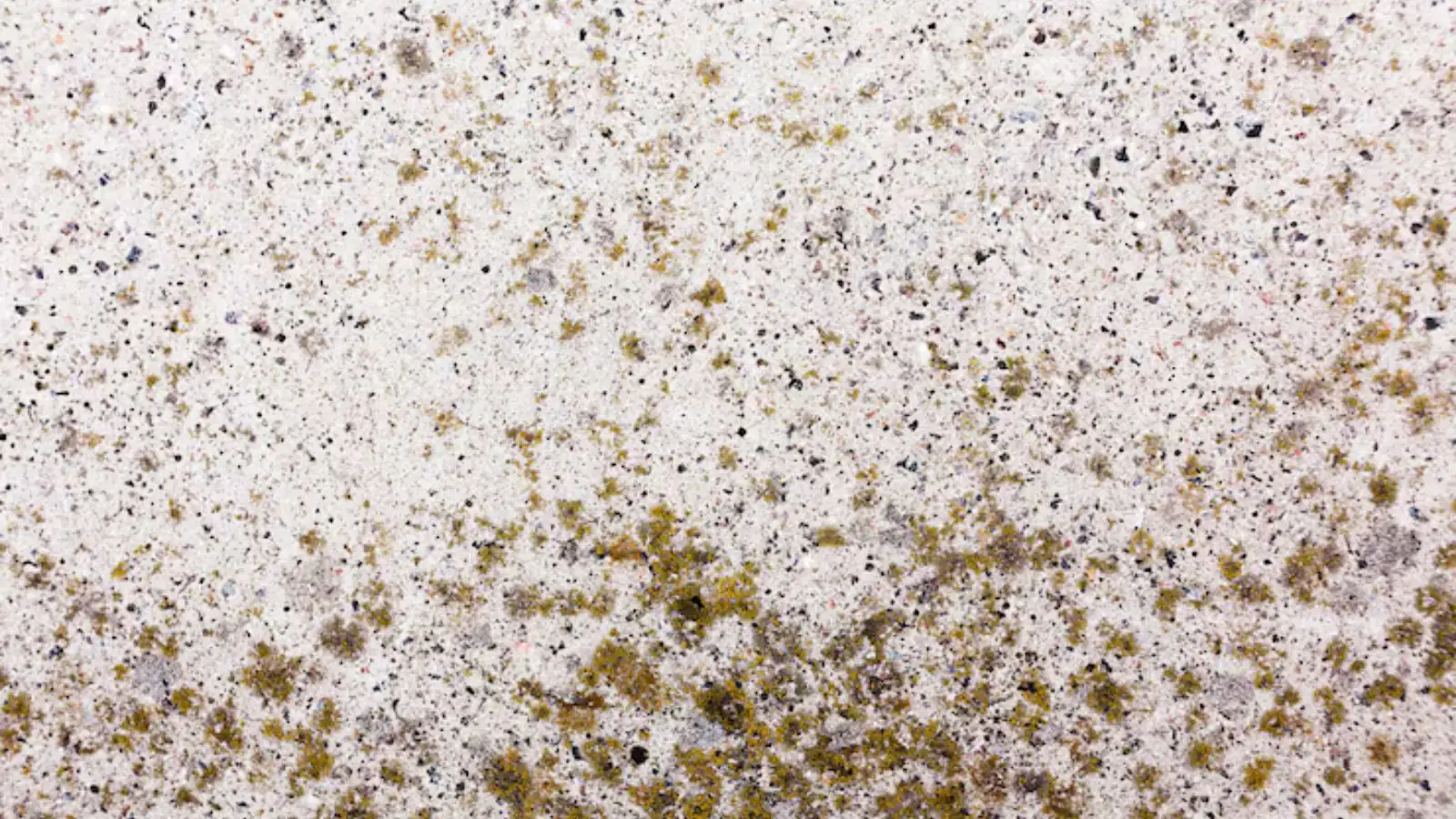
People who find dark mold often assume it is a special, more expensive problem. It is an understandable worry, and it leads to a specific question: what does black mold removal cost?
The honest answer is that color has no line on the invoice. A remediation is priced on how much material is affected, what that material is and how hard it is to reach. This guide explains that, and helps you decide whether your patch needs a professional at all.
Why color is not the measure
Many molds appear black, dark green or dark brown, and the same species can look different on different surfaces. Identifying a type requires a lab. Professional remediation standards treat visible mold growth the same way whatever its color: contain it, remove contaminated porous material, clean what remains and fix the moisture.
So a quote that charges extra because the mold is black is not following how the work is done. A quote should be higher only if the job is bigger or harder.
What does change the cost
| Factor | Lower cost | Higher cost |
|---|---|---|
| Area | A few square feet | A whole wall, room or basement |
| Material | Tile, glass, sealed surfaces | Drywall, carpet, insulation, wood framing |
| Location | Open, easy to reach | Attic, crawl space, behind cabinets |
| Spread | One surface | Several rooms or inside wall cavities |
| Moisture source | Already fixed | Still active, needs another trade |
| Rebuild | None or minor | New drywall, flooring and paint |
Can you handle it yourself?
Small patches on hard surfaces are usually a household cleaning job. Think of spotting on bathroom tile, a window sill or a painted surface that is otherwise sound. Scrub with detergent, dry the area and fix the reason it was damp.
It stops being a do-it-yourself job when the mold is on or in porous building materials, when it covers a large area, when it followed a flood or sewage backup, or when it comes back after cleaning. Disturbing a large area without containment spreads it through the house.
Signs you need an assessment, not a spray bottle
- The patch is on drywall or ceiling board and the surface feels soft.
- There is a musty smell with little or nothing visible.
- Mold appeared after a leak, a wet basement or a roof problem.
- It is under carpet or on the back of furniture against an outside wall.
- You have cleaned it more than once and it has returned.
What a professional job includes
Working to the ANSI/IICRC S520 standard, a remediation crew sets up containment, runs HEPA air filtration, removes affected porous material, cleans the framing and dries the area. The moisture source is identified so it can be repaired. Details are on our mold remediation page.
Where the mold followed a water event, the underlying damage is addressed too. A basement that flooded, for example, is handled as basement water damage first.
Paying for it
Insurance may contribute when mold results from a covered water loss, often up to a stated limit, and commonly excludes mold caused by long-term moisture. Check your policy and ask your insurer. Get the scope and price explained in writing before work starts, from whichever company you use.
Five questions to ask before you accept a quote
- What is the measured area, in square feet, and which materials are being removed?
- What caused the moisture, and who is fixing it?
- How will the work area be contained, and will HEPA filtration run throughout?
- Does the price include rebuilding the wall or floor afterward?
- How will we both know the job is finished: a visual check, moisture readings, or independent clearance?
A company that answers all five plainly has looked at the job properly. One that leans on the word black to justify the number has not.
Common questions
Is black mold more expensive to remove than other mold?
No. Price follows the size of the area, the materials and access. Color does not change the method.
My Revere basement flooded years ago and now has dark patches. Is that related?
Very possibly. Materials that stayed damp after a past flood are a common source. An assessment will check moisture levels as well as the visible growth.
Should I test it to see what kind it is?
For visible mold, usually not. The state health department does not recommend routine testing, and the type does not change what needs to be done.
Still have a question about your own situation? Talk it through with the dispatcher at (833) 521-1033.