Structural drying is the controlled removal of moisture from the building itself, the framing, subfloor, drywall and concrete, after the visible water is gone. In Revere, MA homes it is the step that decides whether a leak ends as a repair or becomes a mold problem months later.
This is the process many people know as water mitigation. Extraction removes the water you can see. Drying and dehumidification remove the water you cannot.
The floor looks dry, so why does the room still smell damp?
Because surfaces dry first. A wall can feel dry to the hand while the insulation behind it is saturated, and a subfloor can hold water under flooring that looks perfect. A musty smell, baseboards pulling away, paint that bubbles a week later and floorboards that start to cup are all signs of trapped moisture.
Structural drying is the trade answer to those symptoms. It starts with measuring, since guessing leads either to tearing out too much or to closing up a wet wall.
Moisture mapping: measuring before drying
Moisture mapping means taking readings across every affected surface and recording them on a sketch of the room. Pin and pinless moisture meters read wood and drywall. A thermal imaging camera shows cool, damp areas behind finished surfaces. A hygrometer records air temperature and humidity.
The map sets the plan: where equipment goes, what must be opened and what dry reading each material has to reach. Readings from an unaffected room in the same house give the target.
What the equipment does
| Equipment | What it does | Why it is there |
|---|---|---|
| Air mover | Pushes a fast sheet of air across wet surfaces | Speeds evaporation from floors and walls |
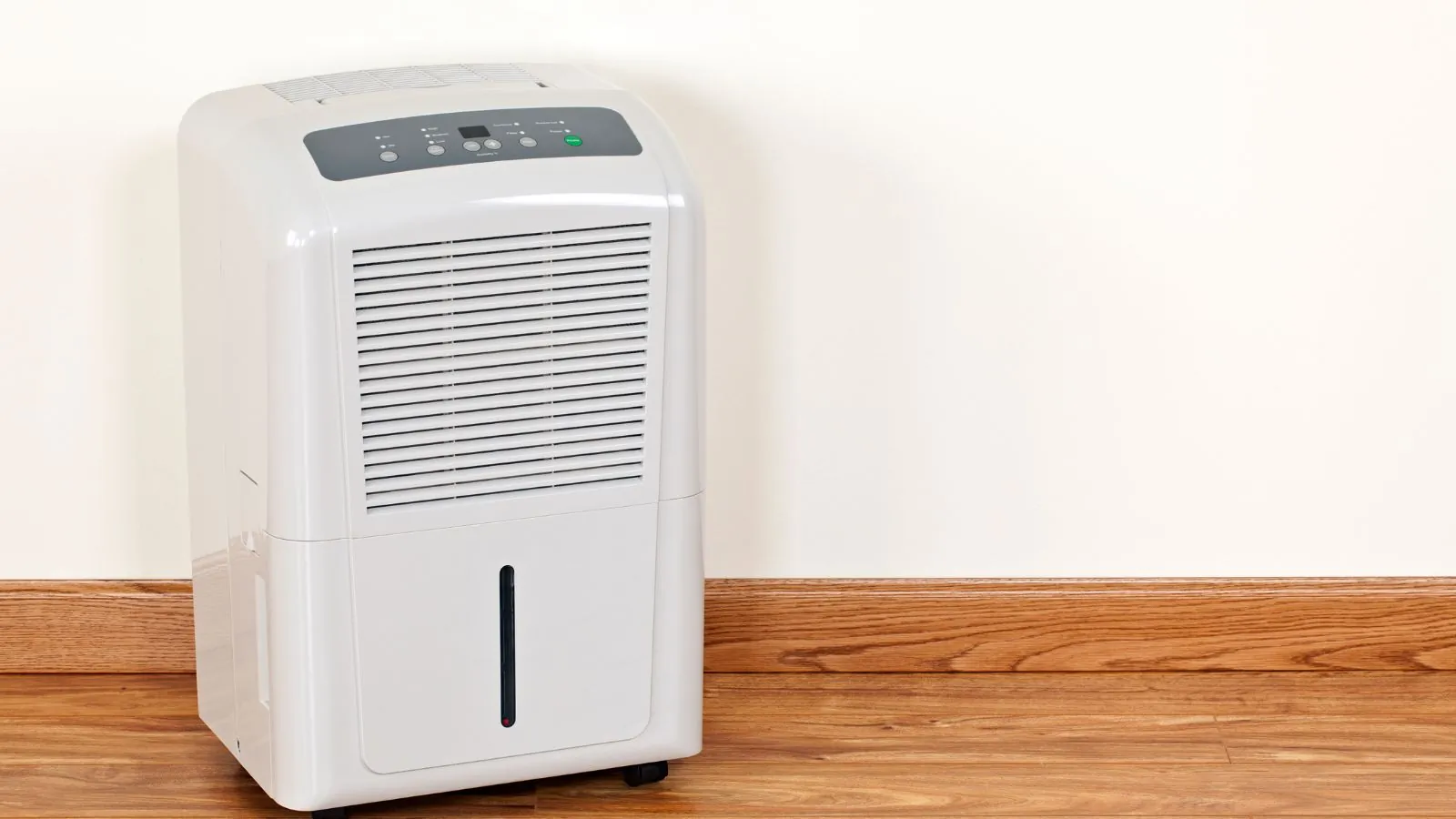
| LGR dehumidifier | Pulls water vapor out of the air and pumps it away | Keeps the air dry enough for evaporation to continue |
| Floor drying mats | Draw moisture up through hardwood under suction | Lets wood floors be dried in place |
| Wall cavity injection | Feeds dry air behind walls and cabinets through small holes | Dries enclosed spaces with less demolition |
| Air scrubber | Filters airborne particles | Used where dust or mold is a concern |
Air movers without a dehumidifier just move humid air around. The two work as a pair, and the number of each is calculated from the size of the wet area.
Why drying takes planning in Revere
Outdoor air sets the starting point. Revere is bordered by Broad Sound and the roughly 600 acres of Rumney Marsh, so summer air arrives already damp. Opening windows on a humid July day can add moisture to a drying job, which is why the space is usually kept closed and conditioned.
Building age matters as well. Older houses with plaster on lath and dense old framing give up water more slowly than modern drywall on kiln-dried studs. The Massachusetts Department of Public Health advises that wet porous materials need drying in 24 to 48 hours or mold growth is likely, so the clock starts with the leak.
How a drying job runs
- 1
Day one
Readings are taken and mapped, wet materials that cannot dry are removed, and equipment is set.
- 2
Daily or near-daily checks
A technician logs readings, moves air movers to the areas that are drying most slowly and removes equipment from spots that have reached the target.
- 3
Dry standard reached
Drying stops when materials match the dry reference readings, following ANSI/IICRC S500. Ask any company you call whether its crews work to that standard.
- 4
Handover
You receive the moisture log. It is useful for an insurance claim and for a future buyer's questions.
Want moisture readings on a wall or floor?
Call and describe what leaked and when.
Dry in place or remove?
Clean water caught early often allows drying in place, with baseboards off and small holes drilled behind them. Contaminated water does not, as the sewage backup cleanup page explains. Wet insulation almost always comes out.
Flooring is the hardest call. Solid hardwood is a good candidate for in-place drying, which the hardwood floor page covers, while swollen laminate is not.
What not to do while drying equipment is running
- Do not switch machines off, even overnight.
- Do not open windows unless the technician asks you to.
- Do not move air movers. Their angle and spacing are deliberate.
- Do not touch or unplug equipment with wet hands or while standing on a wet floor.
- Keep children and pets away from the machines and their cords.
What affects the price
Scope and price are explained before work starts. Call (833) 521-1033.
Insurance note
When the original water damage is covered, the drying that follows usually forms part of the same claim. Whether the loss is covered at all depends on its cause and your policy, so ask your insurer. The moisture log and photos document what was wet and when it was dry.
Structural drying questions
How long does drying take?
Three to five days is typical for a clean-water loss caught early. Dense materials and humid weather extend it.
Can I rent air movers and dehumidifiers from you?
No. The equipment is used on jobs our crews run and monitor. It is not rented out.
Can I turn the machines off at night?
Please leave them running. Stopping overnight can add days, and the wet materials are on a mold clock.
Will it raise my electric bill?
Yes, somewhat, for the days the equipment runs. Drying faster by using enough equipment usually costs less overall than drying slowly.
Is drying an emergency service?
The drying itself is planned work. If water is still present, start with water extraction, which is available 24/7.
Do you serve nearby towns?
Yes: Malden, Saugus, Melrose and Lynn. See Melrose for local notes.
Still have a question about your own situation? Talk it through with the dispatcher at (833) 521-1033.