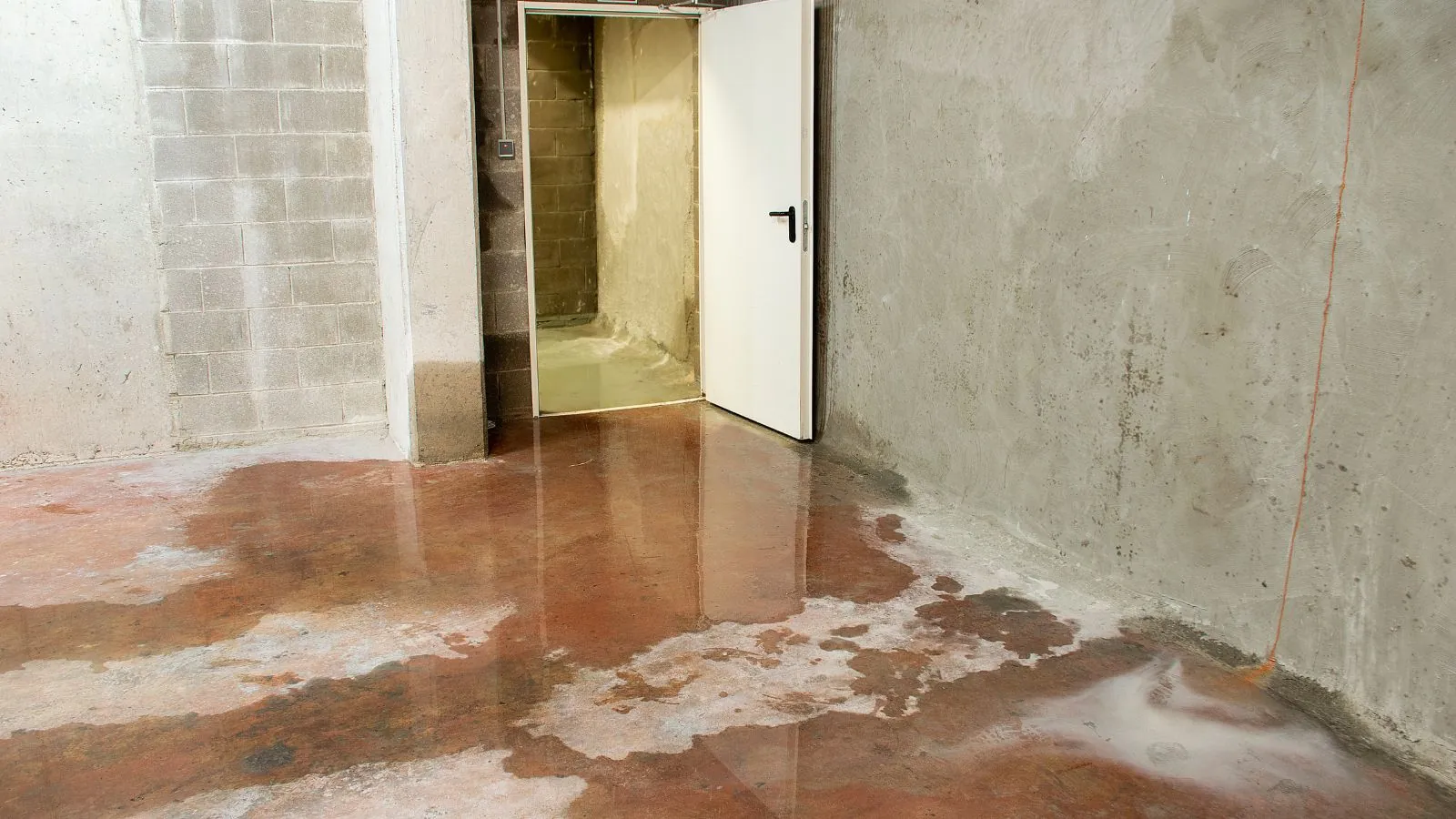
Water extraction is the physical removal of standing and absorbed water from a building before drying begins. If water is sitting on your floor in Revere, MA right now, every hour it stays there pushes it deeper into subfloor, drywall and framing. Our phone line is answered 24/7, so you can start the process at 2 a.m. the same way you would at noon.
While you wait, stop the source if you can do it safely. Close the main water valve, keep people and pets out of the wet rooms, and lift rugs, boxes and furniture legs out of the water. Do not walk into water that has reached outlets, power strips or a basement panel.
When standing water is an emergency
Any water you can see moving or pooling counts. A laundry room that is ankle deep, a hallway that squelches underfoot and a basement with two inches across the slab are all extraction jobs, because a shop vacuum cannot keep up and cannot reach the water under the flooring.
Depth matters less than time. Water that has sat for several days has usually wicked a foot or more up the drywall, which changes the job from a simple pump-out to a full structural drying project.
Why Revere homes take on standing water
Revere sits low between Broad Sound and Rumney Marsh. The city's hazard mitigation plan estimates that roughly 940 of about 15,100 structures stand in flood-susceptible areas, and it lists 17 stormwater pump stations that work to keep streets clear. When heavy rain meets a high tide, those systems have less room to drain, and water backs up toward low lots.
Most of our extraction calls are not coastal at all, though. They start inside: a failed washing machine hose, a burst supply pipe or a water heater that let go overnight. The fix for the first hour is the same in every case, which is to get the bulk water out.
How extraction works, step by step
- 1
Safety and source check
The crew confirms the water is off and checks whether power to the wet area is safe. Water is classed as clean, gray or contaminated, because that decides what can be saved.
- 2
Pump out the bulk water
Submersible pumps move deep water out through a discharge hose. For shallower water, truck-mounted or portable extraction units pull it straight off the floor.
- 3
Extract what soaked in
Weighted extraction tools press water out of carpet and pad. Hard floors are squeegeed toward the wand so water does not sit in seams.
- 4
Map the moisture
Moisture meters and a thermal imaging camera show how far water travelled under walls and into the next room. You see the readings.
- 5
Set the drying equipment
Air movers and LGR dehumidifiers go in the same visit, so evaporation starts as soon as the standing water is gone.
Water still rising?
Call the 24/7 line and describe the depth and the source.
Pump-out, extraction or drying: which one do you need?
| What you see | What it usually means | What is done |
|---|---|---|
| Water over an inch deep | Bulk water, often a basement or slab floor | Submersible pump, then extraction |
| Soaked carpet, no puddles | Water held in carpet and pad | Weighted extraction, pad decision, drying |
| Damp floor edges and baseboards | Water has wicked into walls | Moisture mapping and structural drying |
| Water in the yard or a pool area | Outdoor drainage, a different trade | Not an indoor restoration job |
That last row is an honest limit. Pumping a flooded yard, a pool surround or a driveway is landscaping and drainage work, and we will tell you so on the phone instead of sending a crew that cannot help.
Extraction and the drying that follows are carried out to ANSI/IICRC S500, the published standard for water damage restoration. It sets how water is classed by contamination and when a material counts as dry.
What affects the price
The scope and price are explained before work starts. For a number that fits your rooms, call (833) 521-1033.
Insurance and documentation
Sudden and accidental water damage is often covered by a homeowners policy, while gradual leaks and neglect often are not. Flood water from outside is usually excluded and needs separate flood coverage. Check your policy or ask your insurer before you assume either way.
We photograph the water line, record moisture readings and write an itemized scope. Those three things are what an adjuster normally asks for, whoever does the work.
Water extraction questions from Revere homeowners
Do you handle water extraction emergencies at night or on weekends in Revere?
Yes. The phone line is answered 24 hours a day, including weekends and holidays. Night calls are common because washing machine hoses and water heaters tend to fail when nobody is watching, and the dispatcher will walk you through shutting the water off while a crew is arranged.
Can I use a shop vacuum instead?
For a small clean-water spill on a hard floor, a wet vacuum is fine. It will not pull water out of carpet pad or from under floating floors, and it should never be used on sewage or on water near live electricity.
How long does extraction take?
Removing the standing water from a typical single room usually takes a few hours. Drying the structure afterward takes days, and that is the part that prevents warped floors and mold.
Do you cover towns next to Revere?
Yes. Crews also go to Malden, Saugus, Melrose and Lynn. If you are in Saugus near the marsh or the river, mention it on the call because tide timing can matter.
Will my carpet be saved?
Often the carpet can be, and the pad underneath often cannot. The answer depends on the water category and how long it sat, which is covered on our carpet water damage page.
Still have a question about your own situation? Talk it through with the dispatcher at (833) 521-1033.