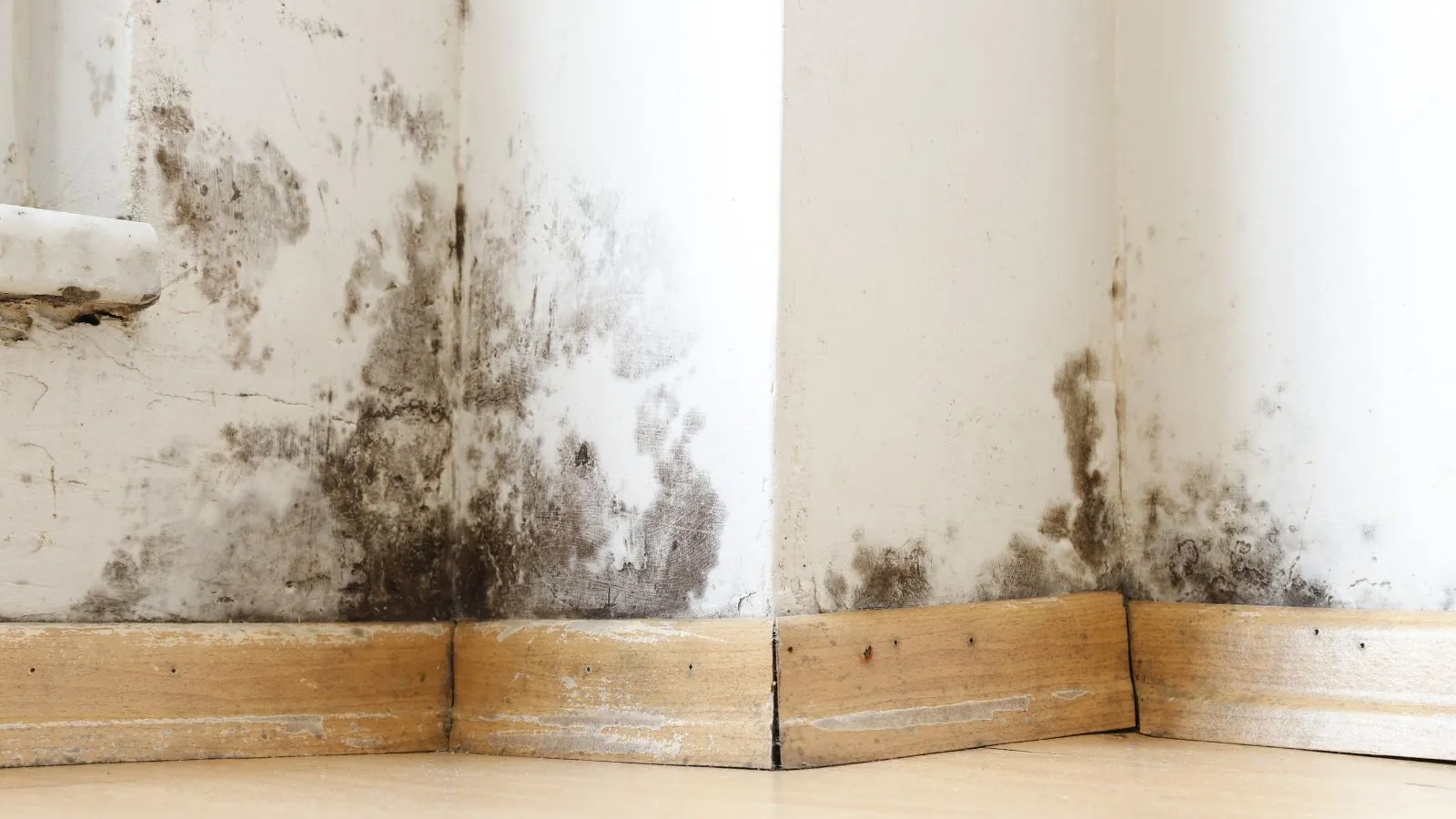
Mold is one of the least predictable parts of a homeowners policy. Some policies cover it in certain circumstances, some cap the amount tightly and some exclude it almost entirely. The answer for you is in your own policy wording.
This guide explains the general pattern so you know what to look for and what to ask. It is not insurance advice.
The general principle: follow the cause
Insurers rarely treat mold as a cause of loss by itself. They look at what produced it. If mold resulted from a peril the policy covers, such as a sudden pipe burst, the mold cleanup may be covered as part of that loss.
If mold resulted from something the policy excludes, such as flood, seepage, long-term leakage, high humidity or deferred maintenance, the mold is normally excluded too.
Typical positions
| How the mold came about | Usual position |
|---|---|
| After a sudden, covered water loss that was reported and dried promptly | Often covered, commonly up to a stated mold limit |
| After a covered loss where drying was delayed for weeks | May be disputed as failure to mitigate |
| From a slow leak inside a wall over months | Commonly excluded as continuous or repeated leakage |
| From basement dampness or groundwater seepage | Excluded |
| From flood water | Excluded under homeowners. Check the flood policy terms |
| From condensation or poor ventilation | Excluded as a maintenance issue |
Look for the mold limit
Many policies that cover mold set a separate, lower limit for it, described with words such as fungi, wet rot or bacteria. The limit can be far below your main dwelling coverage and may include testing and any extra living expenses.
Some insurers sell an endorsement that raises the limit. If your home has a finished basement or a history of water problems, ask your agent what the limit is and whether it can be increased.
Your duties after a water loss
Policies generally require you to protect the property from further damage. With water, that means stopping the source and drying the building. If mold develops because nothing was done for weeks, the insurer may decline that part.
This is the practical reason to begin drying at once and keep records. A moisture log from professional structural drying shows that the structure was dried promptly and when it reached normal readings.
How to document a mold claim
What to gather
- Photos of the mold and of the water damage that preceded it.
- The date of the water event and the date you first saw mold.
- Evidence of the cause: plumber's invoice, the failed part, photos of the leak.
- Records of what you did to dry the area, with dates.
- A written scope from a remediation company that states the area and materials affected.
Report the mold to your insurer when you find it, even if the original water loss was already reported. Ask whether they want to inspect before remediation begins.
Condo owners and renters
In a condominium, the association's master policy typically covers the building structure and the unit owner's policy covers the interior and belongings, though the split varies with the condo documents. Mold in a shared wall can involve both.
Renters insurance covers belongings, not the building. Report mold and leaks to the owner in writing.
If the claim is denied
- Ask for the denial in writing with the policy language relied on.
- Check whether the cause was characterized correctly. Sudden versus gradual is the usual dispute.
- Provide any evidence of the date and cause that the adjuster did not have.
- Contact the Massachusetts Division of Insurance Consumer Services Unit at 617-521-7794 with questions.
Whatever the insurance outcome, the mold still has to be dealt with and the moisture fixed. The process is described on our mold remediation page.
Common questions
Is mold covered by homeowners insurance in Massachusetts?
Sometimes. It is commonly covered only when it results from a covered water loss, and often up to a separate limit. Policy wording varies, so read yours or ask your insurer.
My Revere basement had seepage after a storm and now has mold. Is that covered?
Usually not under a homeowners policy, because seepage is excluded and the state insurance division says no endorsement adds it. Check any flood policy you hold.
Does insurance pay for mold testing?
Only if the policy includes it, and it often counts toward the mold limit. Ask before ordering tests.
How quickly must I report mold?
As soon as you find it. Delay gives the insurer grounds to question the cause and timing.
Still have a question about your own situation? Talk it through with the dispatcher at (833) 521-1033.