A supply line dripped under the sink, the cabinet floor is ruined and a patch of the wall is damp. It is real damage, yet it is not a disaster. Should you call your insurer?
There is no rule that fits everyone. This guide gives you a way to decide, based on your deductible, the true size of the damage, the cause and how your insurer treats claims. It is general information, not insurance advice.
First, find out how small it really is
Small leaks are often bigger than they look. Water runs behind cabinets, under flooring and down inside walls before it shows. A stain the size of a dinner plate can sit on top of a wet area ten times larger.
Before deciding anything, get moisture readings. If the wall cavity and subfloor are dry and only one cabinet floor is affected, it is a small repair. If the readings show water in the next room, it is a different conversation. Our wall and drywall water damage page describes how that check is done.
The four questions
- 1
What is my deductible?
If the repair costs less than the deductible, there is nothing to claim. If it is slightly more, the payout is small.
- 2
Is the cause covered?
Sudden and accidental leaks often are. A slow drip over months is commonly excluded as gradual damage, in which case a claim may simply be denied.
- 3
Could it grow?
Hidden moisture, damage to a unit below or mold found later can turn a small loss into a larger one. If you did not report the original event, a later claim is harder.
- 4
How does my insurer treat claims?
Ask your agent how a claim, or even an inquiry, is recorded and whether it could affect your premium or renewal.
A simple way to weigh it
| Situation | Leaning toward paying yourself | Leaning toward a claim |
|---|---|---|
| Repair cost versus deductible | Below or just above it | Well above it |
| Extent after moisture check | Confined, readings dry nearby | Spread to other rooms or floors |
| Cause | Gradual, likely excluded | Sudden and clearly documented |
| Other parties | Only your unit | A neighbor or tenant is affected |
| Risk of later problems | Low, fully dried | Possible hidden moisture or mold |
If you decide not to claim
Still treat it properly. Fix the source, dry the materials thoroughly and keep your own record with photos, dates and receipts. If the damage turns out to be larger, that record shows when it started and what you did.
Do not skip drying to cut the bill. Materials should reach the dry readings ANSI/IICRC S500 calls for before anything is closed up. A cabinet base and a section of drywall are inexpensive. Mold in a wall that was closed up wet is not.
If you decide to claim
Report it promptly, document before you clean and keep the failed part. Mitigate the damage in the meantime, since policies expect you to prevent it getting worse. If water is still present, emergency water extraction is a reasonable first step and the cost is normally part of the claim when the loss is covered.
Questions to ask your agent
- If I ask about coverage but do not file, is that recorded as a claim?
- How might one water claim affect my premium or renewal?
- Is this cause covered under my policy wording?
- Does my policy have a separate limit for mold?
- What documentation do you want if I do file?
What a small repair usually involves
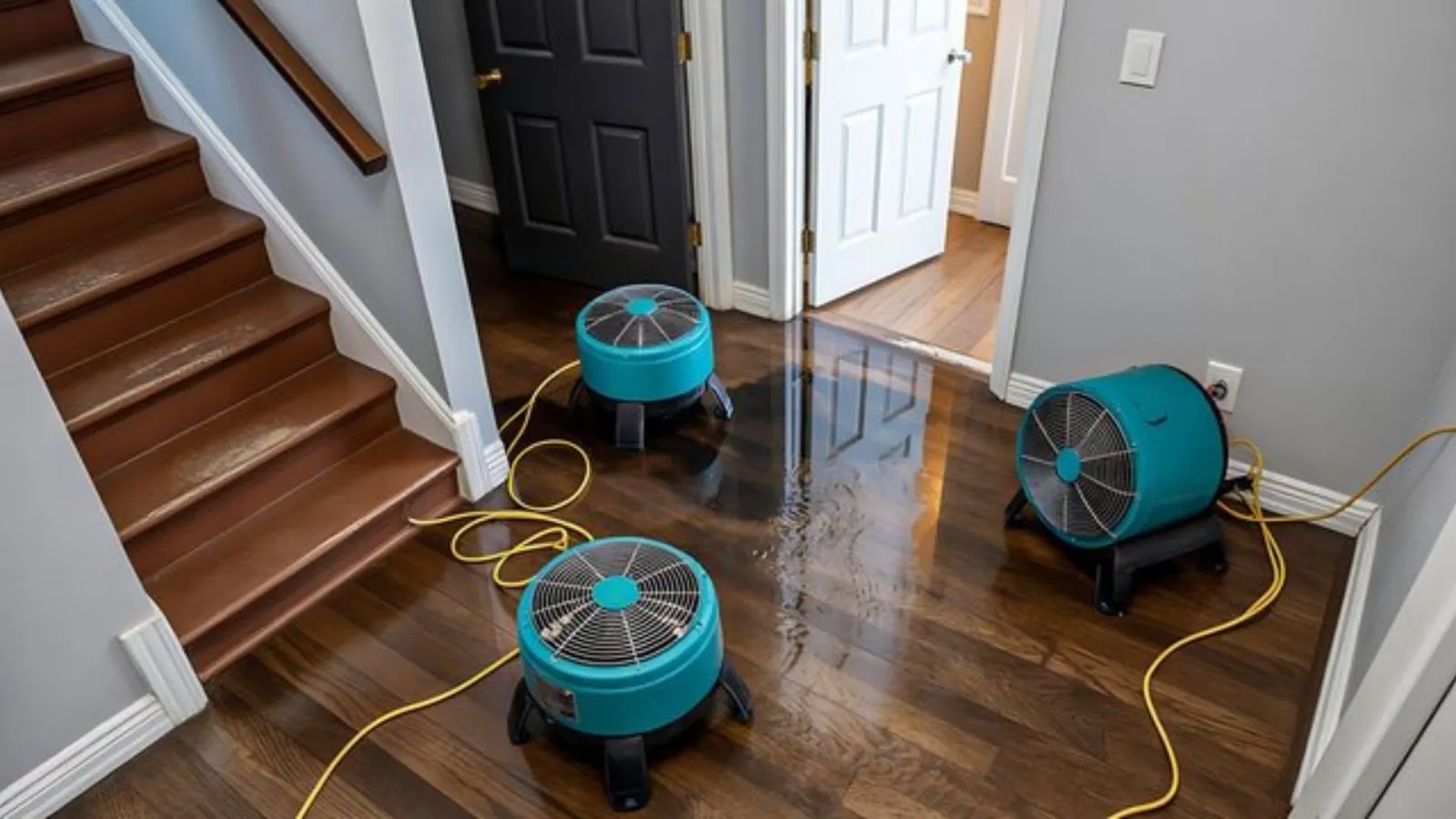
It helps to know what you would be paying for. A contained under-sink leak typically means removing the damaged cabinet floor or the cabinet, opening a small section of wall if the meter says it is wet, running an air mover and a dehumidifier for a few days and then patching and painting.
Ask for that scope in writing with a price. Put the figure next to your deductible and the decision often makes itself.
Common questions
Will my premium go up if I file a small water claim?
It can, depending on the insurer. Only your agent or insurer can answer for your policy, so ask before you file.
I live in a Revere three-family and my leak reached the unit below. Does that change things?
Yes. Once another household is affected, the damage is larger and other policies may be involved. Tell the owner and the neighbor promptly and document everything.
Can I claim later if mold appears?
Possibly, but delay makes it harder to show the cause and timing. Keep records from day one.
Still have a question about your own situation? Talk it through with the dispatcher at (833) 521-1033.