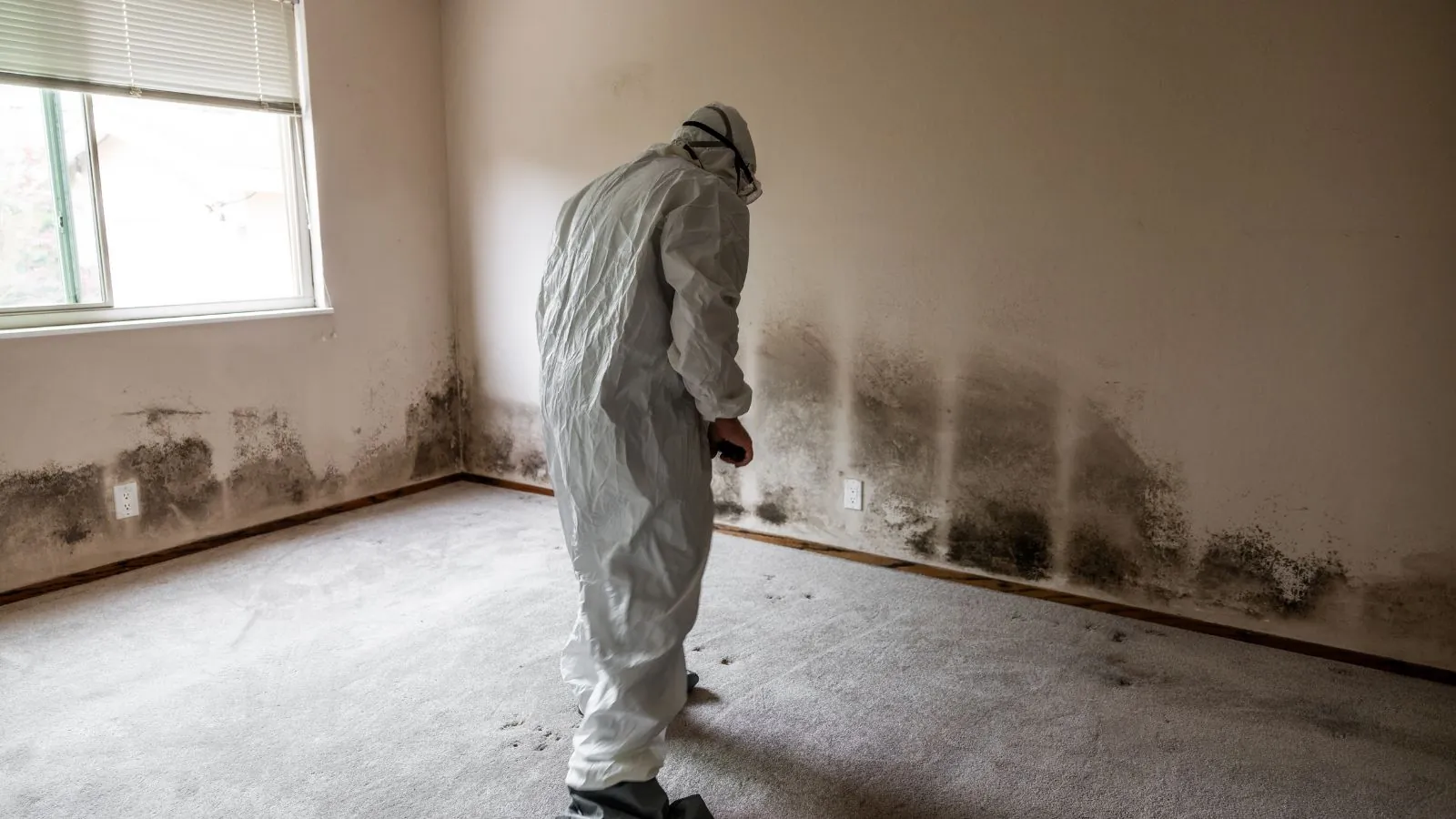
A home inspector's report mentions mold. The buyer wants it dealt with, and the lender may not release funds until it is. Suddenly a seller needs more than a cleanup. They need evidence.
That evidence is usually called clearance testing, or post-remediation verification. This guide explains what it is, who does it and how to keep a sale on track. Nothing here is a promise about what any lender or buyer will accept.
What clearance testing is
Clearance is an inspection carried out after remediation to confirm the work was successful. It normally has two parts. The first is a visual check that no visible mold, dust or debris remains and that the area is dry. The second, when required, is sampling.
Sampling usually means air samples taken inside the work area and compared with samples from outdoors or an unaffected room, and sometimes surface samples. The assessor writes a report stating whether the area passed.
Who should do it
Independence is the point. The person who verifies the work should not be the company that did it. Otherwise the result is the contractor grading their own job, and a careful buyer or lender will see that.
Hire a separate mold assessor or indoor environmental professional and pay them directly. Ask what method they use, what criteria they apply and whether their report format has been accepted by lenders before. Ask also whether your state licenses mold work, and what credentials the assessor holds.
The sequence that keeps a sale moving
- 1
Read the finding carefully
Is it visible growth, a moisture stain or a recommendation for further evaluation? Each calls for a different response.
- 2
Ask the buyer or lender what they need
Get it in writing: remediation by a professional, a clearance report, or both. Requirements vary.
- 3
Find and fix the moisture
A leak or damp source has to be corrected or the mold returns, and a second inspection will catch it.
- 4
Remediate
Containment, removal of affected porous material, cleaning and drying, as described on our mold remediation page.
- 5
Leave the area open
Clearance is done before new drywall goes up, so the assessor can see the framing.
- 6
Clearance
The independent assessor inspects and samples. If it passes, rebuild. If not, the specific area is re-cleaned and rechecked.
- 7
Hand over the file
Give the buyer the scope of work, photos, moisture readings and the clearance report.
What a clearance report can and cannot say
| It can say | It cannot say |
|---|---|
| The work area was visually clean on the inspection date | That mold will never return |
| Moisture readings were normal | That the whole house has no mold anywhere |
| Samples met the assessor's stated criteria | That a result meets a government limit, because none exists |
| The moisture source was reported as repaired | That a lender will approve the loan |
Timing
Build time into the contract. Remediation of a typical area takes a few days. Lab results for air samples add several more. Rebuild follows. A seller who starts the day the inspection report arrives is in a much stronger position than one who waits for a deadline.
If the mold followed a known leak, show that the leak itself was dealt with properly. Records of structural drying, with moisture logs, answer the obvious follow-up question about whether the structure is dry.
For buyers
- Ask for the remediation scope and the clearance report, not just a receipt.
- Check that the clearance was done by a party independent of the remediation company.
- Ask what caused the moisture and for proof it was repaired.
- Have your own inspector take moisture readings in the area before closing.
Common questions
Is mold clearance testing required to sell a house in Massachusetts?
We have found no state rule requiring it. It is typically requested by a buyer, lender or condo association as a condition of the deal. Ask your attorney or agent what your contract requires.
I am selling a condo in Revere and the buyer's inspector flagged mold in a closet. Who handles it?
Start with your association's rules, since the wall may be common property. Then fix the moisture, remediate and arrange independent clearance if the buyer or lender asks for it.
Can the remediation company do the clearance test?
It can, but an independent assessor carries far more weight with buyers and lenders.
What if clearance fails?
The assessor identifies where. That area is cleaned again and retested. It is a delay, not a dead end.
Still have a question about your own situation? Talk it through with the dispatcher at (833) 521-1033.